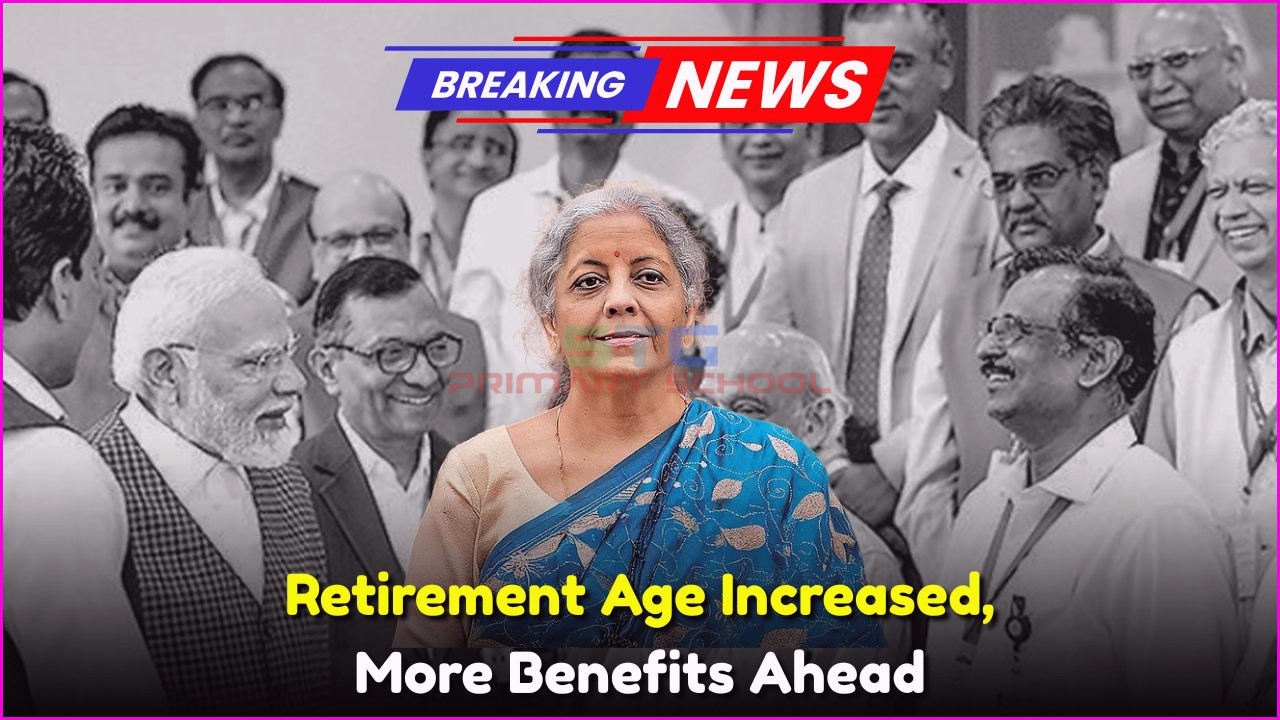
Central Government Retirement Age Extension: The Indian government has recently announced a significant policy change, extending the retirement age for central government employees. This move aims to provide various benefits to employees who are approaching the end of their careers, while also ensuring the continued contribution of experienced professionals to the workforce.
Extended Service Years: A New Chapter for Government Employees
The extension of service years is a transformative step by the central government, impacting thousands of employees across various departments. This policy not only affects the employees but also has broader implications for the national economy. The following are some of the key aspects of this policy change:
Key Benefits of the Retirement Age Extension:

- Financial Stability: Employees can enjoy an extended period of earning, contributing to better financial security post-retirement.
- Skill Utilization: The government retains skilled and experienced employees, enhancing overall productivity.
- Pension Benefits: Prolonged service years lead to increased pension benefits, ensuring a comfortable retirement.
- Career Development: Younger employees have more time to develop and progress in their careers.
- Economic Impact: This move is expected to boost the economy by maintaining a stable workforce.
Analyzing the Impact on Workforce and Economy
The decision to extend the retirement age comes at a pivotal time, with several factors influencing this policy shift. The potential impacts are multifaceted, ranging from individual benefits to broader economic implications. Here are some of the expected outcomes:

Long-term Implications:

- Enhanced Experience: Retaining experienced employees can lead to more efficient government operations.
- Smooth Transition: A gradual phase-out of retiring employees allows for better knowledge transfer.
- Increased Productivity: A seasoned workforce is likely to contribute to higher productivity levels.
- Social Security: Extended employment periods provide better social security for employees.
- Fiscal Balance: The government benefits from deferred pension payouts, aiding in fiscal planning.
Comparison of Retirement Ages Across Sectors
Comparing retirement ages across different sectors can provide insights into how this change aligns with trends in other industries. The table below illustrates retirement ages in various sectors:

| Sector | Retirement Age Before | New Retirement Age |
|---|---|---|
| Central Government | 60 | 62 |
| State Government | 60 | 62 |
| Public Sector Banks | 60 | 62 |
| Private Sector | 58-60 | 58-62 |
| Education | 65 | 67 |
| Healthcare | 60 | 62 |
| Defense | 58 | 60 |
| Judiciary | 65 | 67 |
Preparing for a Seamless Transition in the Government Workforce
The extension of the retirement age necessitates strategic planning to ensure a smooth transition for both employees and the government. Here are some strategies for effective implementation:
Strategies for Effective Implementation:
- Training Programs: Initiate skill enhancement programs for employees nearing retirement.
- Mentorship Opportunities: Encourage senior employees to mentor younger staff, facilitating knowledge transfer.
- Adjusting Workloads: Modify workloads to accommodate the physical capabilities of older employees.
- Healthcare Benefits: Enhance healthcare benefits to support aging employees.
- Retirement Planning: Provide resources for financial and retirement planning to employees.
Employee Perspectives on Retirement Age Extension
Understanding the perspectives of employees affected by this change is crucial for assessing the policy’s effectiveness. Here are some common viewpoints from those impacted:

Employee Feedback:
- Positive Reception: Many employees welcome the chance to continue contributing to their roles.
- Concerns About Health: Some express worries about health implications of extended work years.
- Pension Considerations: Employees appreciate the potential for increased pensions.
- Work-life Balance: Balancing work with personal life becomes a concern for some.
Future Implications of Retirement Age Changes
The extension of the retirement age is likely to set precedents for future policies affecting employment and retirements. As the government evaluates the success of this initiative, it could potentially lead to further reforms in the workforce. Here are some potential future implications:
Potential Reforms:
- Policy Adjustments: Further changes in retirement policies may emerge based on feedback and outcomes.
- Sector-specific Changes: Different sectors may adopt varied retirement age policies reflecting their unique needs.
- Increased Research: More studies may be conducted to assess the long-term impact of the policy.
Conclusion of the Policy Shift
Comprehensive Change: This policy shift marks a significant change in the employment landscape, offering both opportunities and challenges for the workforce.
The extension of the retirement age for central government employees is a pivotal move with far-reaching implications. It reflects a commitment to harnessing the potential of experienced workers while addressing economic and social considerations.
Future Considerations: As the policy unfolds, continuous evaluation and adaptation will ensure it meets the dynamic needs of the workforce and economy.

The central government’s decision is a testament to its strategic foresight, aiming to create a balanced and sustainable employment environment for the future.
What are some advantages of the extended service years for government employees?
Increased retirement benefits, experience retention, and enhanced work-life balance.
How does the extended service years impact government employee retirement planning?
It offers more time to build a secure financial future.