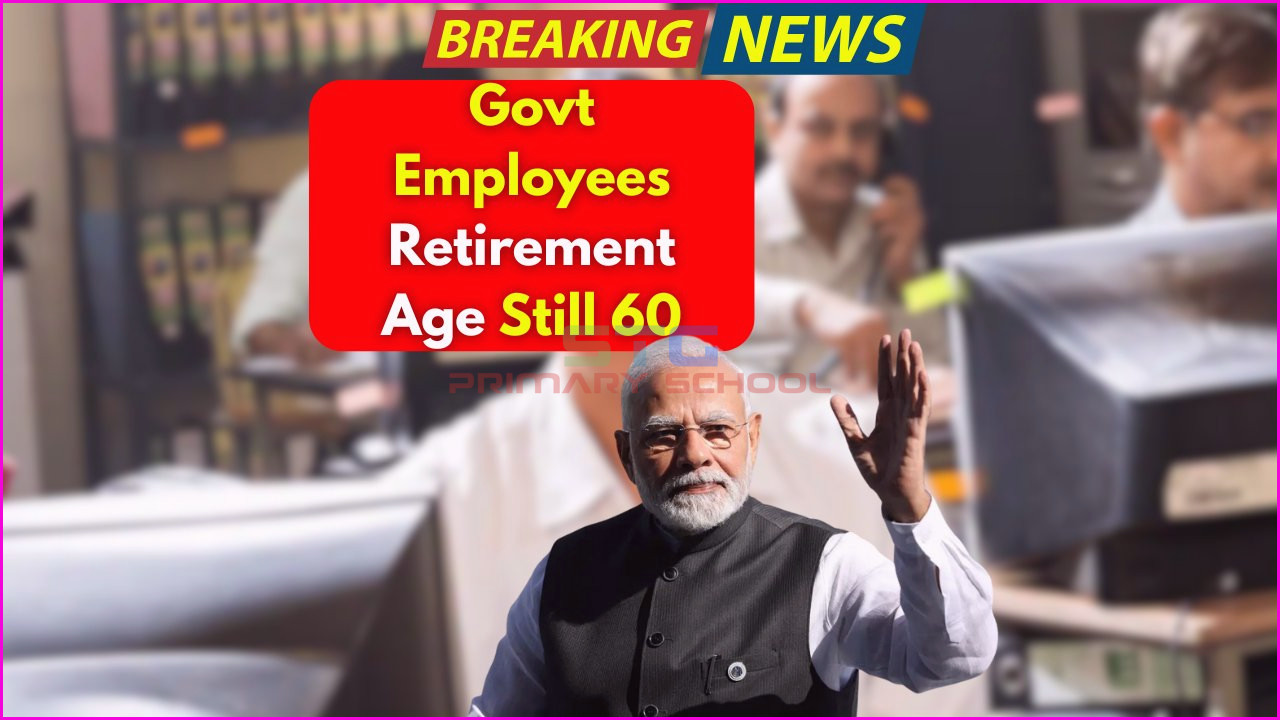
Government Employees Retirement Age Limit: Excitement is in the air among government employees as the recent announcement of an increase in the retirement age limit brings new opportunities. The change offers a longer tenure for many, promising a more extended career and benefits.
The decision to increase the retirement age is part of a broader strategy to utilize the experience and expertise of senior employees, ensuring the continuity of valuable skills within the workforce.
Government Employees Retirement Age Shift: Key Highlights
The increase in the retirement age limit for government employees has been a topic of discussion, and the details of the change are as follows:

- The retirement age has been increased from 60 to 62 years.
- This change applies to all central government employees.
- The decision is effective immediately, impacting upcoming retirements.
- Employees can now enjoy additional years of service and benefits.
Comparison with State Policies
| State | Previous Age Limit | New Age Limit |
|---|---|---|
| Maharashtra | 60 | 62 |
| Karnataka | 60 | 62 |
| Tamil Nadu | 58 | 60 |
| Kerala | 56 | 58 |
| Rajasthan | 60 | 62 |
| Gujarat | 60 | 62 |
| West Bengal | 60 | 62 |
| Punjab | 58 | 60 |
Impact on Government Employees’ Benefits
With the increased retirement age, government employees can expect a range of benefits, including:

- Extended access to healthcare benefits.
- Increased pension accumulations.
- Additional opportunities for promotions and advancements.
- Longer tenure for planning post-retirement life.
This move also aligns with global trends of increasing retirement ages to cater to longer life expectancies and changing economic dynamics.

Strategic Implications for Workforce Management
Increasing the retirement age not only benefits employees but also aids in workforce management. Here are some strategic implications:

- Retention of experienced personnel, reducing the need for rapid hiring.
- Improved mentoring opportunities for younger employees.
- Stability in administrative functions.
- Cost savings in recruitment and training of new staff.
Such strategic advantages ensure that the government can leverage the capabilities of seasoned employees while gradually integrating new talent.
Feedback from Government Employees
The response from government employees regarding the increase in retirement age has been largely positive. Key feedback includes:
- Appreciation for recognizing the value of experience.
- Support for extended financial security.
- Concerns about delayed opportunities for younger employees.
- Suggestions for phased retirement options.
Overall, the sentiment remains optimistic, with many viewing the change as a step towards modernizing the workforce.

Future Prospects and Considerations
As the government moves forward with the increased retirement age, several considerations will be essential:
| Consideration | Impact | Solution |
|---|---|---|
| Workforce Aging | Increased age diversity | Implement training programs |
| Career Progression | Slower promotions for juniors | Introduce mentorship schemes |
| Healthcare Needs | Rising demand | Expand healthcare facilities |
| Pension Liabilities | Higher financial obligations | Adjust pension schemes |
| Employee Motivation | Potential burnout | Enhance work-life balance |
| Skill Development | Need for continuous learning | Upskill existing workforce |
| Technology Adaptation | Varied tech proficiency | Offer tech training |
| Retirement Planning | Extended planning horizon | Provide financial advice |
The increased retirement age for government employees marks a significant shift in policy, aiming to harness the experience of seasoned professionals while preparing for future workforce challenges.
The Path Ahead for Government Employees
As the implementation of the new retirement age unfolds, government employees can look forward to:
- Greater job security and stability.
- Enhanced professional growth opportunities.
- Improved retirement planning.
With careful management and strategic planning, the government can ensure that this change benefits both employees and the broader administrative framework.
Concluding Thoughts on the Increased Retirement Age
The increase in the retirement age for government employees is a progressive step towards fostering a robust and experienced workforce. As the nation embraces this change, it highlights the importance of adapting to evolving economic and demographic trends.

With a focus on leveraging the strengths of experienced employees, this decision sets the stage for a more resilient and dynamic government sector in India.
What factors led to the recent increase in retirement age limit?
Economic growth and increased life expectancy influenced the retirement age limit increase.
How might the new retirement age limit impact government employees' future plans?
It could influence when they choose to retire and their financial security.