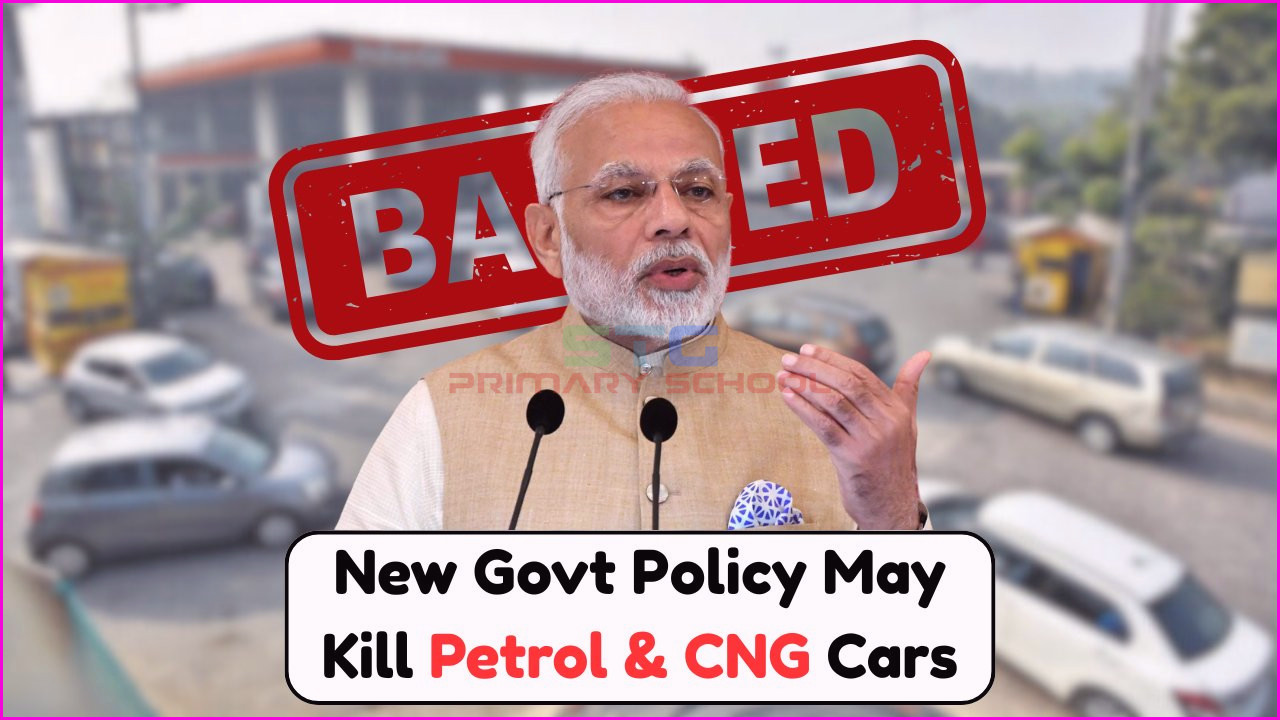
Government’s New Policy: The Indian government’s latest policy announcement has stirred the hornet’s nest, leaving many citizens perplexed about the future of petrol and CNG vehicles. This new policy, aimed at reducing carbon emissions, has sparked widespread speculation and debate across the nation.
Policy Details and Public Reaction
The new directive suggests a gradual shift towards electric vehicles (EVs) by 2030. However, the ambiguity surrounding the fate of petrol and CNG cars is causing alarm among car owners and manufacturers alike.
Key Features of the Policy:

- Promotion of electric vehicles with incentives.
- No definitive timeline for phasing out petrol and CNG vehicles.
- Introduction of stricter emission norms for existing vehicles.
- Development of EV infrastructure across major cities.
Impact on the Automobile Industry
Auto Manufacturers’ Concerns:

Industry Reactions:

- Car Manufacturers: Many leading automakers are worried about the lack of clarity, affecting their long-term strategy.
- Dealers: Concerns about inventory management and resale values of petrol and CNG cars.
- Suppliers: Uncertainty in demand for traditional car components versus EV parts.
Current Car Statistics in India
| Vehicle Type | Percentage | Market Trend |
|---|---|---|
| Petrol | 45% | Stable |
| CNG | 10% | Increasing |
| Diesel | 20% | Declining |
| Electric | 25% | Rising |
Government’s Stance and Clarification
The Ministry of Transport has attempted to clarify the government’s position, emphasizing that while the transition to EVs is encouraged, no formal ban on petrol and CNG cars has been declared yet.

| Policy Aspect | Clarification | Next Steps |
|---|---|---|
| EV Adoption | Incentives to boost sales | Subsidy schemes |
| Emission Norms | Stricter regulations by 2025 | Industry compliance checks |
| Petrol/CNG Usage | No immediate ban | Periodic reviews |
| Infrastructure Development | Focus on urban areas | Public-private partnerships |
| Public Awareness | Information campaigns | Workshops and seminars |
What This Means for Consumers
Consumer Choices:
- Consideration of EV options during new car purchases.
- Awareness of government incentives for EV adoption.
- Keeping abreast of policy changes affecting petrol and CNG vehicles.
Impact on Daily Commuters:

- Potential cost savings with EV use.
- Improved air quality in urban areas.
- Investment in charging infrastructure by local authorities.
Long-Term Outlook for India’s Auto Sector
Strategic Shifts:
Future Projections:
- Increase in EV market share.
- Adaptation of manufacturing units for EV production.
- Collaborations between government and private sectors for technology development.
- Enhanced focus on hybrid vehicles as a transitional solution.
Conclusion and Way Forward
As the nation navigates this transitional phase, the government’s policy decisions will play a crucial role in shaping the future of India’s transportation landscape.
Key Takeaways for Stakeholders:

Discover 3 Exclusive Railway Benefits for Seniors: Special Offers for Women Over 45 and Men Above 58
- Stay informed about policy updates.
- Evaluate investment opportunities in the EV sector.
- Engage with government initiatives promoting sustainable transportation.
- Plan for a gradual transition to reduce potential risks.
Final Thoughts: