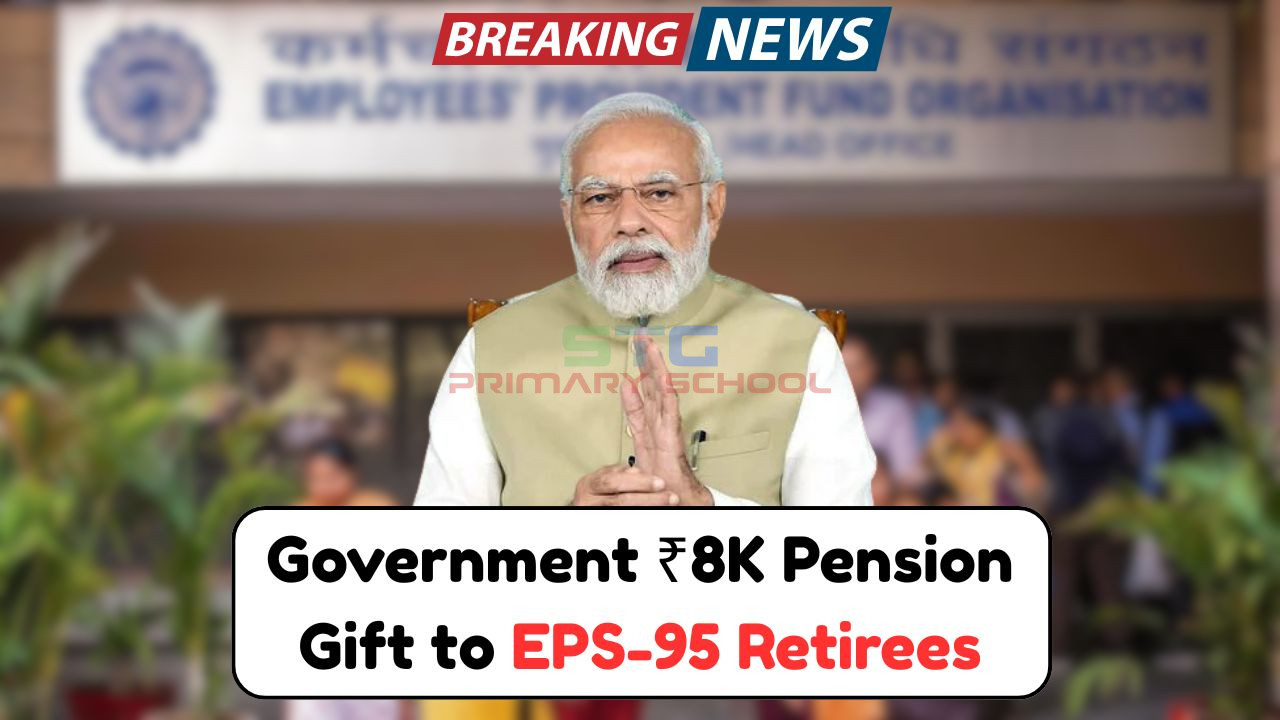
EPS-95 Pension Hike: In recent developments concerning the Employee Pension Scheme (EPS), discussions are underway about a potential increase in the monthly pension amount to ₹7,500. This consideration has sparked significant interest among the pensioners who rely on this scheme for their livelihood.
Understanding the EPS-95 Pension Scheme
The EPS-95 is a crucial scheme under the Employees’ Provident Fund Organisation (EPFO) aimed at providing financial security to employees post-retirement. Since its inception, it has been a lifeline for many retirees, ensuring they have a steady income after years of service. However, the current pension amounts have been a point of contention, prompting calls for a review.
 Schools Across the Country to Close for 46 Days Starting June 1 – Complete Holiday List Inside
Key Features of EPS-95
- Provides pension to employees once they retire.
- Applicable to employees in both the public and private sectors.
- Pension amount is based on the average salary and years of service.
- Offers additional benefits such as widow pension and disability pension.
Why a Pension Hike is Necessary
With the rising cost of living, the current pension amounts under the EPS-95 scheme have been deemed insufficient by many beneficiaries. The proposed hike to ₹7,500 aims to address these concerns, providing a more sustainable income for retirees.


Inflation and increased medical expenses are significant factors driving the demand for a higher pension. Many pensioners find it challenging to meet their daily needs, making the proposed increase a welcome change.

Factors Influencing the Proposed Hike
- Rising Inflation Rates
- Increased Healthcare Costs
- Demands from Pensioners’ Associations
- Government’s Commitment to Social Welfare
Impact of the Proposed EPS-95 Pension Increase
| Factor | Current Scenario | Post-Hike Scenario |
|---|---|---|
| Monthly Pension Amount | ₹1,000 – ₹2,500 | Up to ₹7,500 |
| Inflation Adjustment | Limited | More Aligned |
| Healthcare Affordability | Challenging | Improved |
| Quality of Life | Basic | Enhanced |
| Pensioners’ Satisfaction | Low | High |
| Government Expenditure | Moderate | Increased |
| Economic Impact | Neutral | Positive |
Government’s Role in Implementing the Hike
Government Initiatives: The central government has been actively involved in discussions regarding the pension hike. This involves evaluating current economic conditions and the financial feasibility of implementing such an increase.

Steps Taken by the Government
| Initiative | Description |
|---|---|
| Financial Assessment | Analyzing the budget impact of the hike |
| Stakeholder Meetings | Engaging with pensioners and representatives |
| Policy Review | Revisiting existing pension policies |
| Public Feedback | Inviting suggestions and feedback |
| Legislative Process | Proposing amendments in the parliament |
Challenges in Implementing the EPS-95 Pension Hike
Potential Obstacles: While the proposal for a pension hike is widely appreciated, there are several challenges that need to be addressed to ensure smooth implementation.

Key Challenges Identified:
- Budget Constraints
- Administrative Delays
- Opposition from Certain Sectors
- Policy Adjustments Required
Steps for Effective Implementation
To ensure that the pension hike is implemented effectively, several strategic steps must be taken by the authorities.
Strategic Implementation Steps:
- Comprehensive Financial Planning
- Stakeholder Engagement
- Streamlined Policy Amendments
- Transparent Communication Channels
Broader Implications of the Pension Hike
The proposed increase in EPS-95 pensions is not just about financial aid; it has broader implications for the economy and society.

Implications to Consider:
- Boost in Consumer Spending
- Improved Standard of Living for Pensioners
- Increased Economic Stability
- Enhanced Social Welfare
Final Thoughts
| Aspect | Current Status | Expected Change | Long-term Impact |
|---|---|---|---|
| Pension Amount | ₹1,000 – ₹2,500 | ₹7,500 | Improved Financial Security |
| Quality of Life | Basic | Enhanced | Better Economic Conditions |
| Government Expenditure | Moderate | Increased | Sustainable Growth |
| Social Impact | Limited | Widespread | Increased Social Welfare |
| Economic Activity | Neutral | Boosted | Stable Economy |
| Pensioners’ Satisfaction | Low | High | Improved Well-being |
| Public Perception | Mixed | Positive | Government Trust |
The road to implementing a pension hike is paved with challenges, but the potential benefits make it a worthy endeavor. As discussions continue, all eyes are on the government to deliver a sustainable solution that meets the needs of India’s pensioners.
FAQs
What is EPS-95?
EPS-95 is a pension scheme under EPFO aimed at providing post-retirement income to employees.
Why is there a proposed hike in EPS-95 pensions?
The hike is proposed to address inflation and rising living costs, ensuring retirees have a sustainable income.
How will the pension hike impact pensioners?
Pensioners are likely to experience improved financial security and quality of life.
What challenges exist in implementing the hike?
Challenges include budget constraints, administrative delays, and policy adjustments.

When is the pension hike expected to be implemented?
The timeline is uncertain as discussions and evaluations are still ongoing.