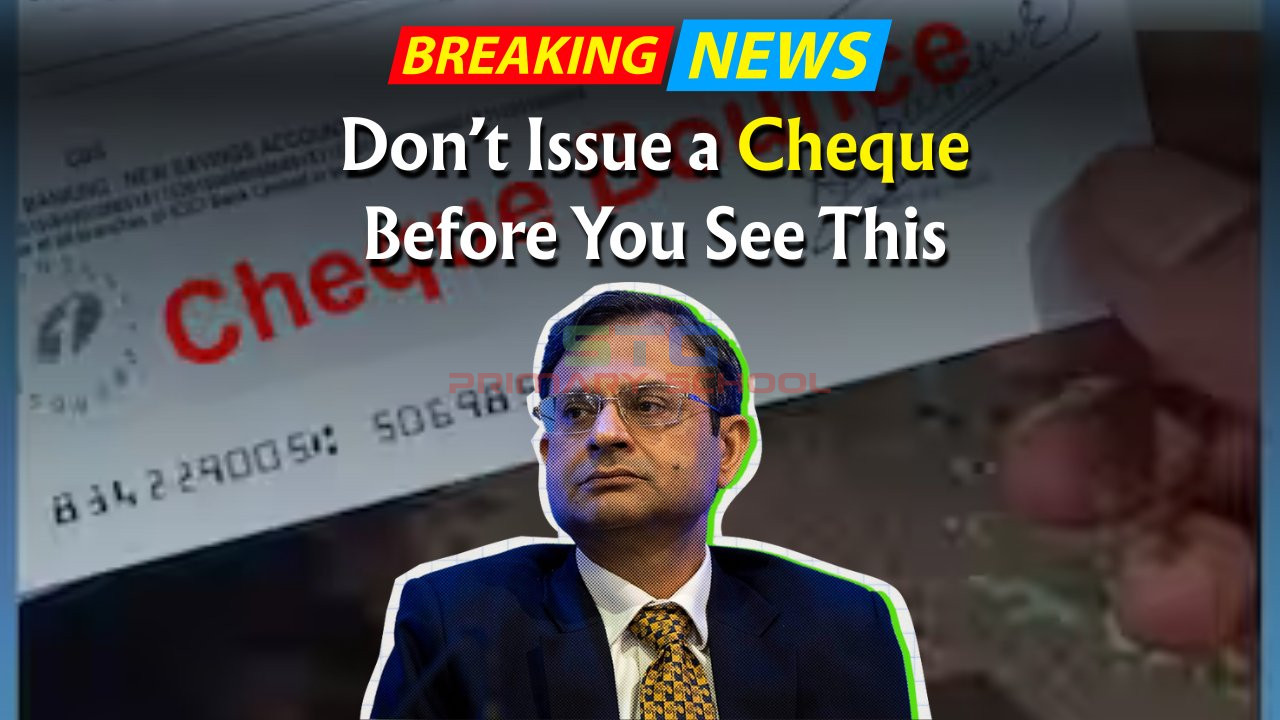
RBI’s 2025 Cheque Bounce Rules: As the Reserve Bank of India (RBI) gears up to implement new rules by 2025, cheque issuers and recipients need to brace themselves for significant changes. This move aims to streamline the cheque clearing process and mitigate fraud.
Understanding RBI’s 2025 Cheque Bounce Guidelines
The RBI’s updated cheque bounce rules are set to revolutionize the banking and financial landscape. With a focus on enhancing accountability and reducing fraudulent activities, these regulations will leave a profound impact on both businesses and individuals.

Key Highlights of the New Rules
Here are the crucial aspects of the RBI’s upcoming cheque bounce regulations:

 From June, Widows & Disabled to Get ₹1,500+ Hike in Monthly Pension – Know If You’re Eligible!
- Legal Notices for Bounced Cheques: Recipients will now receive immediate legal notices upon cheque bounce incidents, ensuring swift legal recourse.
- Mandatory Bank Reporting: Banks will be obligated to report bounced cheques to credit agencies, impacting the issuer’s credit score.
- Advanced Penalty Structures: Heavier penalties will be imposed on habitual offenders, deterring repeated offenses.
- Digital Tracking: Enhanced digital tracking systems will be introduced to monitor cheque transactions efficiently.
- Increased Transparency: Banks will be required to provide detailed reports and reasons for cheque bounces to their customers.
- Improved Security Measures: New security features will be integrated into cheque books to prevent forgery and fraud.
- Public Awareness Campaigns: RBI will conduct campaigns to educate the public about the new rules and their implications.
What to Expect from the New Cheque Bounce Process
As the RBI’s 2025 rules come into effect, businesses and individuals must prepare for a more structured and transparent cheque processing system. The changes seek to protect legitimate transactions while discouraging fraudulent activities.

Implications for Cheque Issuers and Recipients

| Aspect | Issuers | Recipients |
|---|---|---|
| Legal Notices | Risk of immediate legal action | Faster legal recourse |
| Credit Impact | Potential negative score effect | Protection against fraudulent cheques |
| Penalties | Heavier fines for repeat offenses | Compensation for bounced cheques |
| Security | Obligation to use secure cheques | Assurance of cheque authenticity |
| Transparency | Clear reasons for cheque issues | Detailed bounce reports |
| Awareness | Need to stay informed on rules | Access to educational resources |
| Tracking | Real-time transaction monitoring | Reliable transaction history |
Preparing for RBI’s Cheque Bounce Changes
To ensure a smooth transition to the new system, it’s imperative to take proactive steps. Here’s how you can gear up for the 2025 cheque bounce regulations:

- Review Cheque Policies: Evaluate and update your cheque issuance and handling policies to align with the new rules.
- Enhance Security Measures: Invest in advanced cheque security features to prevent unauthorized transactions.
- Educate Employees and Customers: Conduct workshops and seminars to inform stakeholders about the upcoming changes.
- Monitor Cheque Transactions: Implement robust systems to track cheque transactions and identify potential issues early.
- Consult with Legal Advisors: Seek expert advice to understand the legal ramifications of the new rules.
- Stay Informed: Keep abreast of updates from the RBI regarding any changes or additions to the regulations.
Legal Aspects of Cheque Bounce in 2025
Understanding the legal framework surrounding cheque bounce incidents is crucial. The RBI’s new rules will necessitate a more vigilant approach to avoid legal complications.
Steps to Address Cheque Bounce Issues
- Immediately notify your bank upon cheque bounce notification.
- Consult a legal expert to understand your rights and obligations.
- Evaluate the reasons for the cheque bounce to rectify any issues.
- Consider alternative payment methods to prevent future occurrences.
- Maintain clear records of all cheque transactions for reference.
Potential Legal Consequences

- Filing of criminal complaints against habitual offenders.
- Impact on credit score due to reported incidents.
- Possible legal fees and fines for repeated violations.
- Obligatory compensation to recipients for bounced cheques.
- Legal proceedings initiated swiftly upon cheque bounce.
Impact of Cheque Bounce Rules on Businesses
The 2025 cheque bounce rules will significantly affect how businesses operate. Ensuring compliance with these regulations will be essential for maintaining smooth financial operations.
| Impact Area | Business Response |
|---|---|
| Payment Processes | Revamp payment protocols |
| Employee Training | Regular training sessions |
| Financial Planning | Adjust financial forecasts |
| Client Relations | Transparent communication |
| Cost Management | Budget for potential penalties |
FAQ: Navigating RBI’s 2025 Cheque Bounce Rules
What are the new RBI cheque bounce rules?
The RBI’s new rules are aimed at enhancing transparency and reducing cheque fraud through mandatory legal notices, penalties, and improved tracking systems.
How will these rules affect my credit score?
If you frequently issue bounced cheques, your bank will report this to credit agencies, potentially impacting your credit score negatively.
What steps should businesses take to comply?
Businesses should update their cheque policies, enhance security measures, and stay informed about the regulations to ensure compliance.
Can I face legal action for a bounced cheque?
Yes, recipients can initiate legal proceedings immediately, and habitual offenders may face criminal charges.

How can I prepare for these changes?
Review your cheque handling processes, educate your team, and consult legal experts to understand the full implications of the new rules.